Important Tips For Processing Big Game
These you should know before processing your next animal; with this at hand, you will turn out great meat.
The speed with which game should be processed must increase the bigger the animal is.
- First and most important, if you are a rifle hunter, ALWAYS use a FULL COPPER (or copper-zinc alloy) round; these rounds have a near 100% retention rate as the petals sometimes separate from the body (not a big deal), they have always done the job for me, and there is zero meat fouling. Copper is not toxic—unlike lead—you can eat the wound channel. If you think blood and torn meat are fouled meat, however, and you are one of those "need gloves to butcher a deer I'll eat" types, stop reading my blog and go read a Twilight novel instead—all the meat is fine to eat. Coupled with a homemade match head primer, your full round won't have any lead in the gas or tip.
You can get Barns' full copper for muzzle loaders and flintlocks too.
- Keep tools sharp like glass; learn to field sharpen with a rock.
- Guts out first. Do this by opening the sternum visceral cavity carefully, slowly, over the stomach, then the hip structure splits at the groin bone suture. Separate hind legs permanently, split, and break the pelvis (should do this with moose asap, hard though it may be). Slice out the butthole and the windpipe at the neck base; remove the liver, heart, lungs (carefully), and spleen. Guts out and retain the kidneys. Move the paunch away from the carcass. Small intestine and stomach lining are kept for the more culinarily adventurous types; don't get gut stuff on meat. You should render all cavity fat or HANG in a clean (away from man-made chemicals, like road paint or tire dust), breezy location so consumption will be safely taken on by caron and coyotes.
- Organs cooled separately from one another, on a branch or other cool, dry place. Liver is your number one priority and care over all other meats. Store separately from other organs. GET IT COOLED.
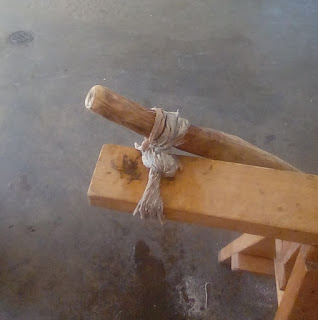
- use a stout stick to prop open the cavity
- Hide off. THE KEY under the most ideal, cool temperatures—not to mention less than ideal - ALWAYS bone out the femur and split the front part of the rear leg from the back for moose and elk BEFORE leaving to cool; you should also do this for deer or AT LEAST flap down their outside round. Get shoulders off the ribs. You can still use the hide of a moose for tanning if you need it to protect meat for transport.
- NEVER EVER wash meat with water (unless you will immediately freeze or cook it). DO NOT hose the cavity—this is nuts, and I see it too often from people who costume authority; this WILL spread bacteria everywhere and leave them to thrive in a very damp environment.
- Cut away gut mess, meat, or dirt before hanging (if there is any).
- If you want the highest quality (nutrients, flavor) frozen meat, your meat MUST be FLASH FROZEN. Find a facility that will do this for you. I dry most of my meat and cook, jar, and keep cool second, so very little I freeze in large jars. DO NOT CUT AND PACK A CHEST FREEZER FULL WITH MEAT ALL AT ONCE. Core meats will take forever to freeze.
Show support - https://buymeacoffee.com/ropesuspenders